Strategic Use of Thickster: Enhancing Your Design and Branding Efforts
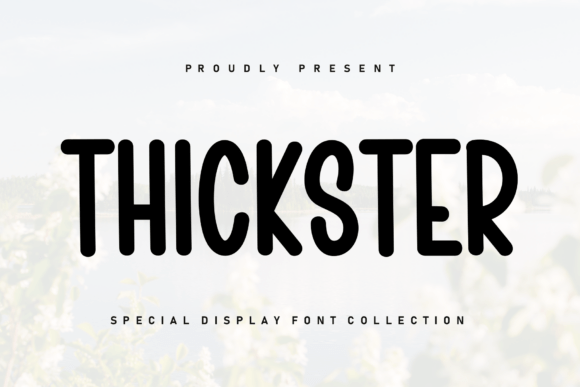
Thickster is a sweet and beautiful handwritten font that brings a unique, cozy accent to any design project. Its characters dance along the baseline, making it an ideal choice for adding a personal touch to your creative work. This article explores how thoughtful use of Thickster can support various strategic goals, from enhancing brand identity to improving customer experience.
Understanding the Versatility of Thickster
Thickster's charm lies in its versatility. Whether you are a marketer, a small business owner, or a content creator, this font can be a valuable asset in your toolkit. The handwritten style of Thickster conveys a sense of authenticity and warmth, which can be particularly effective in building a relatable and trustworthy brand image.
When to Use Thickster
- Brand Identity: Incorporate Thickster into your branding materials to create a friendly and approachable persona. This can be especially useful for businesses in the lifestyle, wellness, or creative sectors.
- Marketing Campaigns: Use Thickster in promotional materials such as social media graphics, email newsletters, and print ads to add a personal touch and capture attention.
- Product Descriptions: Add a unique flair to product descriptions and packaging with Thickster, making your products stand out on the shelf or in online marketplaces.
Strategic Considerations for Using Thickster
While Thickster can be a powerful tool, it's important to use it strategically. Here are some key considerations to keep in mind:
- Alignment with Brand Voice: Ensure that the handwritten, casual style of Thickster aligns with your brand's voice and values. If your brand is more formal or corporate, using Thickster might not be appropriate.
- Readability: While Thickster is visually appealing, it may not be the best choice for long-form text or detailed information. Use it sparingly and primarily for headlines, subheadings, and short, impactful statements.
- Consistency: Maintain consistency in your use of Thickster across different platforms and materials. This helps in reinforcing your brand identity and making your designs more recognizable.
Practical Examples and Planning Tips
Let's explore some practical examples and planning tips to help you integrate Thickster effectively into your projects.
Example 1: Social Media Graphics
For a social media campaign, you can use Thickster to create eye-catching graphics. For instance, a quote graphic with a Thickster headline can grab attention and encourage engagement. Pair it with a clean, simple background and complementary colors to make the text stand out.
Example 2: Brand Collateral
Incorporate Thickster into your business cards, brochures, and other collateral. This can help in creating a memorable and distinctive brand presence. For example, using Thickster for the company name or tagline on a business card can make it more personable and inviting.
Planning Tips
- Define Your Goals: Clearly define what you want to achieve with Thickster. Is it to increase brand recognition, improve customer engagement, or enhance the aesthetic appeal of your materials?
- Test and Iterate: Start with a small test run, such as a single social media post or a limited set of marketing materials. Gather feedback and make adjustments before rolling it out on a larger scale.
- Combine with Other Fonts: Use Thickster in combination with other fonts to create a balanced and professional look. For example, pair it with a clean sans-serif font for body text to ensure readability while maintaining the visual interest provided by Thickster.
Potential Risks and How to Mitigate Them
While Thickster can be a valuable addition to your design toolkit, there are potential risks if used without clear goals or context. Here are some common pitfalls and how to avoid them:
Risk 1: Overuse
Using Thickster excessively can make your designs appear cluttered and unprofessional. To mitigate this, limit its use to key elements such as headlines, subheadings, and short, impactful text. This ensures that the font adds value without overwhelming the overall design.
Risk 2: Mismatched Brand Image
If Thickster does not align with your brand's image, it can confuse your audience and dilute your brand message. Before incorporating Thickster, conduct a thorough review of your brand guidelines and ensure that the font complements your existing design elements and messaging.
Risk 3: Readability Issues
Handwritten fonts like Thickster can sometimes pose readability challenges, especially in smaller sizes or in long-form text. To avoid this, use Thickster for large, prominent text and reserve more legible fonts for detailed information and body text.
Conclusion
Thickster is a versatile and charming font that can significantly enhance your design and branding efforts. By using it thoughtfully and strategically, you can create a more engaging and memorable brand presence. Remember to align its use with your brand's voice, maintain consistency, and test your designs to ensure they resonate with your audience. With these considerations in mind, Thickster can be a valuable tool in achieving your strategic goals and driving better results.